What does the data show?
Marshall Motor Group compared police-reported injury collisions in Great Britain in the 21 days before and the 21 days after each autumn clock change from 2022 to 2025, using the Department for Transport's road safety open data.
| Time of day | 21 days before | 21 days after | Change |
|---|---|---|---|
| 4pm to 7pm | 5,326 | 6,580 | +23.5% |
| 5pm to 6pm | 1,795 | 2,609 | +45.3% |
| All other hours | −0.1% | ||
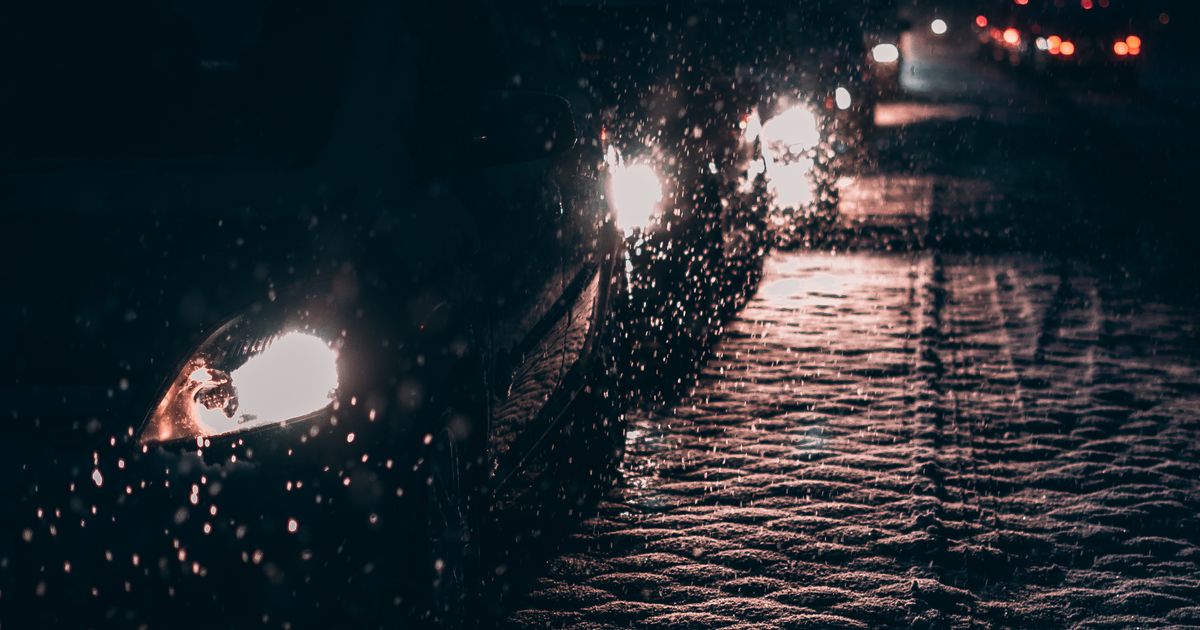
The rise was similar every year: 25.6% in 2022, 21.1% in 2023, 22.4% in 2024 and 25.1% in 2025. Because crashes at other times of day did not rise, the analysis points to darker evening commutes. It shows a correlation, not proof of the cause.
Where is the rise biggest?
| Area | Rise in 4pm to 7pm crashes |
|---|---|
| Scotland | +45.6% |
| Wales | +38.2% |
| North West | +37.6% |
| Yorkshire and the Humber | +34.3% |
| West Midlands | +33.3% |
Every English region, Scotland and Wales recorded more evening rush-hour crashes after the change. Of 44 police force areas, 40 saw a rise. The largest were South Wales Police (+87.1%), Gwent (+73.1%) and West Mercia (+70.3%).
How to prepare for the first dark commute
- Check and clean your lights: headlights, rear lights, brake lights and indicators. If the road ahead looks poorly lit, have the headlight aim checked.
- Clear the screen: clean the windscreen inside and out, replace wipers that streak and top up the screenwash.
- Slow down and leave more space when visibility is poor.
- Take extra care at junctions, crossings and side roads, where pedestrians and cyclists are harder to see in the dark.
For a fuller list, see our 7 checks before you drive in the dark, which also covers country roads, where crashes involving animals are most common after dark. Lights, wipers and tyres are all part of the MOT, so our MOT checklist is a good way to check the car over. You can also see any past lighting or wiper faults in a car's free MOT history.
Questions drivers ask
Do crashes increase when the clocks go back?
Marshall Motor Group's analysis of DfT data for 2022 to 2025 found crashes between 4pm and 7pm rose 23.5% in the 21 days after the autumn clock change, while crashes at other times fell 0.1%.
When do the clocks go back in 2026?
At 2am on Sunday 25 October 2026.
What is the most dangerous time to drive after the clocks change?
In the analysis, 5pm to 6pm saw the biggest rise, up 45.3%.
Sources
- Marshall Motor Group: Evening rush-hour collisions rise after the clocks go back (October 2026)
- DfT: Road safety open data
- GOV.UK: When do the clocks change?
Facts checked against the sources above on 24 October 2026. Spotted something out of date? Tell us.