What is cross-pavement charging?
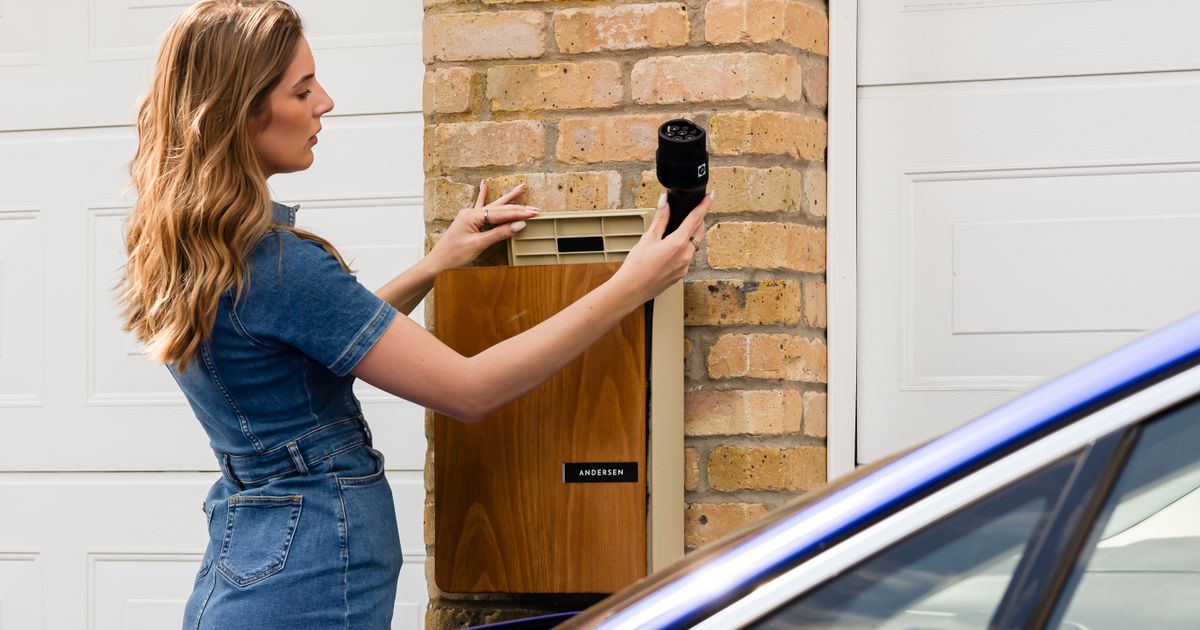
A cross-pavement solution lets you charge an electric car parked on the street from a charge point at your home. Instead of a cable trailing across the footpath, the cable runs through a narrow channel set into the pavement, so it is not a trip hazard.
What has changed?
The Department for Transport announced on 21 October 2026 that people no longer need planning permission to install a cross-pavement charger. The government added these installations to permitted development rights, which allow certain types of work without a full planning application.
The same change makes it quicker and cheaper for charge point operators to install larger public charging hubs.
What permission do you still need?
The change removes the planning step, not every approval. According to the government's response to its consultation:
- Highway authority approval: anyone installing a cross-pavement solution still needs permission under the Highways Act 1980 (sections 50 and 178). In practice this means applying to your local highway authority, usually the council, which decides whether the pavement outside your home is suitable.
- Conservation areas: limits apply to the new rights in conservation areas.
- Electrical safety: the charge point must be dedicated to the cross-pavement solution and meet the building regulations for EV charging (Approved Document S). Installations should also comply with the wiring regulations, BS 7671.
Planning rules are set separately in Scotland, Wales and Northern Ireland, so this change does not apply there.
How much could it save?
The Department for Transport estimates the change could save households up to £300 on installing a home charger, and says home charging can cost as little as 2p a mile. It also says drivers without off-street parking could save up to £1,750 on running costs by charging on cheaper home electricity instead of public chargers.
Your own cost depends on your tariff and your car's efficiency. Work it out with our EV charging cost calculator, see how long a charge takes, and compare petrol and electric running costs.
What is next?
The government is also consulting, until 16 December 2026, on making EV charging easier for tenants and leaseholders, and on building regulations that could require charge points in new and refurbished covered car parks.
If you are thinking about switching, note that electric cars now pay vehicle tax (see our electric car tax guide), and a pay-per-mile charge for electric cars is planned from April 2028.
Questions drivers ask
Do I need planning permission for a cross-pavement EV charger?
Not in England from 21 October 2026. Cross-pavement charging solutions are now permitted development. You still need permission from your highway authority, usually the council, under the Highways Act 1980.
Does the change apply in Scotland and Wales?
No. It applies in England only. Planning rules are devolved.
How much can cross-pavement charging save?
The Department for Transport says up to £300 on installation, with home charging from as little as 2p a mile.
Can I run a charging cable across the pavement?
A loose cable across the footpath can be a trip hazard. Cross-pavement solutions run the cable through a covered channel in the pavement, and need the highway authority's permission.
Sources
- DfT: Drivers to save up to £300 when installing EV chargers at home (21 October 2026)
- GOV.UK: Changes to permitted development rights for EV charging, government response (September 2026)
- GOV.UK: Expanding EV charging access for tenants and leaseholders (consultation)
Facts checked against the sources above on 24 October 2026. Spotted something out of date? Tell us.