Fuel duty: what was decided
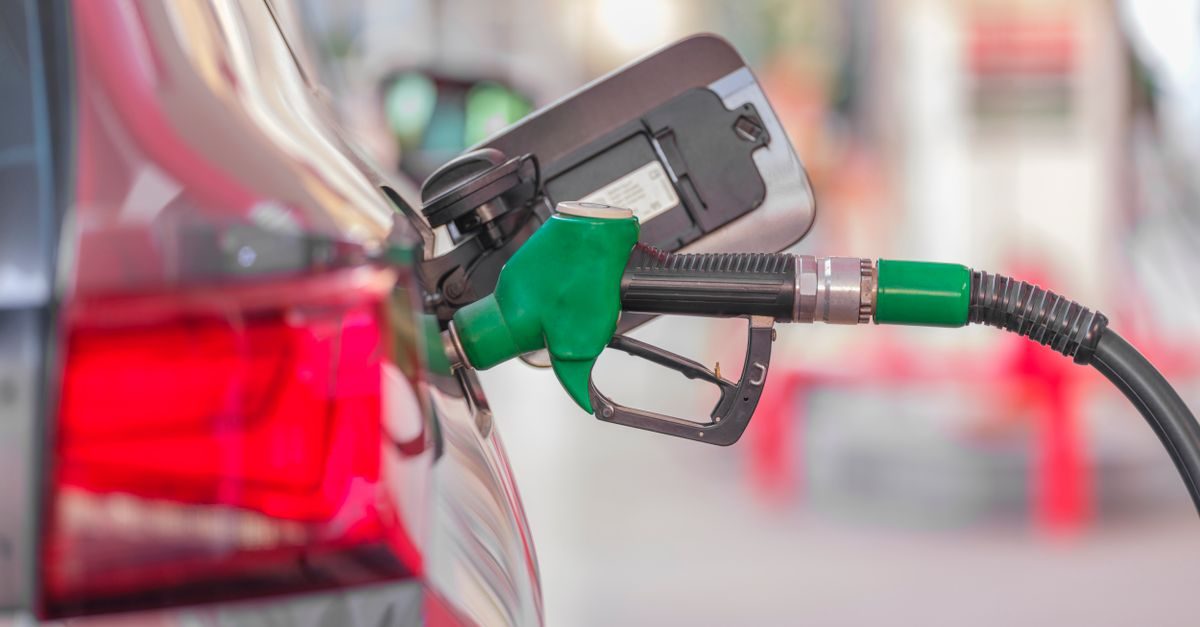
Fuel duty on petrol and diesel is 52.95p per litre. That includes a temporary 5p cut first introduced in March 2022, which was due to end on 31 December 2026.
In the Budget on 28 October 2026, the government said it is "cancelling plans to add 5p back onto fuel duty from January 2027 and is extending the cut by a further six months to 1 July 2027". The planned inflation (RPI) increase has also been put back to the same date.
The Treasury's rates table shows what happens next:
| Period | Petrol and diesel duty |
|---|---|
| Now to 30 June 2027 | 52.95p per litre |
| From 1 July 2027 | 60.59p per litre |
That is a rise of 7.64p a litre in one step. VAT at 20% is charged on top of duty, so at the pump it works out at about 9.2p a litre, or roughly £5 on a 55-litre tank, if retailers pass it on in full.
The government says it "will continue to monitor fuel prices over the coming months", so the July date could still change at a later fiscal event.
What the extension saves you
Keeping the 5p cut is worth about 6p a litre including VAT, or around £3.30 every time you fill a 55-litre tank, compared with the cut ending in January. Use our fuel cost calculator to work out your own figure.
The red diesel cut of 3.7p has also been extended to 1 July 2027, and the HGV vehicle tax holiday runs to the same date.
Higher tax-free mileage rates
If you use your own car or van for work, the Budget confirms two changes to HMRC's approved mileage rates:
- The 55p a mile rate for the first 10,000 business miles, introduced as a temporary measure in May, is now permanent. It was 45p before.
- The rate for business miles above 10,000 rises from 25p to 35p, from 6 April 2027. The same rates apply to self-employed people using simplified mileage.
The government says around 2 million employees and 1 million self-employed people, including care workers, social workers, electricians and plumbers, will benefit. It gives two examples: £120 a year in extra tax savings for someone driving 6,000 business miles, and up to £300 for someone driving 15,000.
Work out what you can claim with our mileage allowance calculator.
Electric cars: charging and eVED
- Public charging costs. The government will spend £100 million over two years to reduce prices at local, lower-powered public chargers from spring 2027. It expects this to save the average EV driver who charges on the street, without a home charger, around £150 a year. A taskforce will also look at letting drivers use their home electricity tariff at these chargers. Read what it means if you have no driveway.
- No VAT cut. Public charging stays at 20% VAT. In fact, the Budget clarifies in law that electricity from public chargers is standard-rated, from 1 November 2026.
- Pay-per-mile tax confirmed. Electric Vehicle Excise Duty (eVED) will start on 1 April 2028 for electric cars, plug-in hybrids and hydrogen cars, as planned. New details include a mileage estimation tool at launch, "eVED Connect" so connected cars can report mileage automatically, and an automated refund system by 2030. Read our eVED explainer.
Car tax and company cars
- Vehicle tax (VED) rises with inflation from April 2027. The standard rate for most cars registered since April 2017 goes from £200 to £210 a year. Check yours with our car tax calculator.
- Company car tax rates have now been set up to 2030-31, so company car drivers can see their rates five years ahead. Try our company car tax calculator.
What was not in the Budget
- We found no new levy on SUVs or heavier cars in the Budget document or the tax overview.
- There was no extra cut to fuel duty beyond extending the existing 5p, and no cut to VAT on fuel.
The government also claims its fuel duty decisions over this Parliament will have saved the average car driver £230, compared with the previous government's plans.
Questions drivers ask
Is fuel duty going up in January 2027?
No. The Budget extended the 5p cut, so fuel duty stays at 52.95p a litre until 30 June 2027.
What will fuel duty be from July 2027?
60.59p a litre for petrol and diesel from 1 July 2027, according to the Budget rates table. That is 7.64p more, or about 9.2p a litre including VAT.
What is the new HMRC mileage rate?
55p a mile for the first 10,000 business miles, now permanent, and 35p a mile above 10,000 from 6 April 2027, up from 25p.
Did the Budget cut VAT on EV charging?
No. Public charging stays at 20% VAT. The government is spending £100 million to reduce costs at local, lower-powered public chargers from spring 2027.
Sources
- HM Treasury: Budget 2026 document (28 October 2026), section 4.4
- HMRC: Budget 2026 Overview of tax legislation and rates (OOTLAR)
- HMRC: OOTLAR Annex A, rates and allowances
- HM Treasury: Budget 2026: Breathing space for today, hope for the future (28 October 2026)
Facts checked against the sources above on 28 October 2026. Spotted something out of date? Tell us.