What did the analysis find?
Ageas looked at police-reported collisions from the Department for Transport over five autumns, 2021 to 2025. Comparing the three weeks after the clock change with the three weeks before, the 5pm hour saw:
| At 5pm, after the clocks go back | Change |
|---|---|
| All collisions | +43% |
| Collisions with a serious injury | +54% |
| Fatal collisions | +42% |
Fatal collisions in a single hour over a few weeks are, thankfully, small numbers, so a percentage rise there can move a lot from year to year. Ageas has not published the underlying counts in the coverage we have seen.
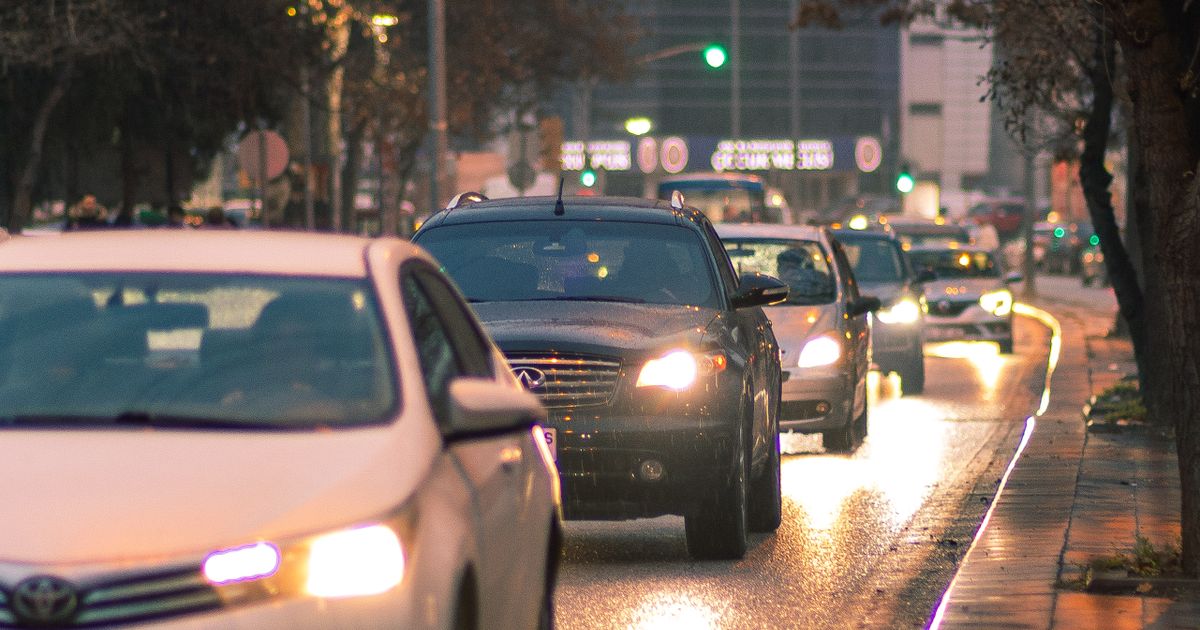
Ageas puts the rise down to sudden darkness at rush hour combined with worsening autumn weather: it says nine in ten of the extra 5pm collisions were on wet, damp or poor surfaces.
We could not find Ageas's own press release, so these figures come from Ageas's analysis as reported by the Driving Instructors Association and Brit Brief, which match each other.
Where did 5pm crashes rise most?
| Area | Rise in 5pm collisions |
|---|---|
| Merseyside | +133% |
| Hertfordshire | +100% |
| Suffolk | +100% |
| Cheshire | +94% |
| Wales | +83% |
| North West | +78% |
| Scotland | +75% |
| London | +29% |
How this fits with other clock-change data
A separate analysis by Marshall Motor Group, covering 2022 to 2025 and the whole 4pm to 7pm window, found crashes rose by 23.5%, with the biggest jump between 5pm and 6pm. The two studies use different years, time windows and measures, but point the same way: the first weeks of dark evening commutes are when risk rises most. Read our report on the Marshall figures.
Getting through the first dark commutes
- Lower your speed on wet roads. Stopping distances can double in the wet. See how far you travel before stopping with our stopping distance calculator.
- Check tyre tread before the wet months. The legal minimum is 1.6mm; read our tyre tread depth guide.
- Make sure your lights work and are aimed correctly, so you see and are seen without dazzling others. Read what drivers say about headlight glare.
- Leave a few minutes earlier for the first week, so you are not rushing in unfamiliar darkness.
Questions drivers ask
Do crashes get worse when the clocks go back?
Ageas's analysis of DfT data for 2021 to 2025 found that at 5pm, in the three weeks after the clocks go back, collisions rose 43%, serious-injury collisions 54% and fatal collisions 42% compared with the three weeks before.
Why do crashes rise after the clocks change?
Ageas points to sudden darkness at rush hour and worsening autumn weather. It says 90% of the extra 5pm collisions happened on wet, damp or poor road surfaces.
Where did 5pm crashes rise most?
Merseyside saw the largest rise in the analysis, up 133%, followed by Hertfordshire and Suffolk, both up 100%.
Sources
- Driving Instructors Association: Evening commute collisions rise after autumn clock change (Ageas analysis, 20 October 2026)
- Brit Brief: Motorists warned as 5pm collisions spike after clock change (Ageas analysis, 22 October 2026)
- DfT: Road safety open data
Facts checked against the sources above on 25 October 2026. Spotted something out of date? Tell us.