What the data shows
Marshmallow analysed more than 10 million car journeys from drivers using its Marshmallow Move telematics product. Each journey was scored out of 100 for braking, speeding, acceleration, cornering and phone handling, then grouped into six ratings from Dangerous to Excellent.
Braking came out worst of the five areas:
- 51.5% of drivers had braking rated Poor or worse, and 18.7% Very Poor.
- 19.4% were rated Dangerous for braking, nearly seven times the 2.7% rated Dangerous for speeding.
- 9% were rated Dangerous for phone use while driving.
Younger policyholders scored worst: 57.3% of those aged 17 to 24 had braking rated Poor or worse. Scores improved with age, but braking was the weakest area in every age group.
Read it with care
Marshmallow itself says a braking rating "is a telematics classification. It is not a count of crashes, a finding that someone has broken the law, or a judgement about every journey". The figures come from its own customers, who chose a black box policy, so they may not reflect all UK drivers. Ages are the policyholder's, which may differ from whoever was driving, and comparisons were not adjusted for vehicle, road or other factors.
Why harsh braking matters
A sudden stop is sometimes the right response to a hazard. But frequent harsh braking can be a sign that a driver noticed something late. Dr Leanne Savigar-Shaw of the University of Staffordshire said: "Harsh braking can be a sign that a driver or rider has responded late to a situation or event." She said this is more likely when people use their phones, whether handheld or hands-free.
Marshmallow's data showed an association between poor phone-handling scores and harsher braking. Using a handheld phone while driving can mean 6 points and a £200 fine; see our report on mobile phone driving offences.
How to brake more smoothly
- Look well ahead so you can spot hazards and slow down earlier.
- Leave a bigger gap. The Highway Code recommends at least a two-second gap in good conditions, and at least double that on wet roads. Check yours with our stopping distance calculator.
- Brake early and lightly in normal driving, as the Highway Code advises. In an emergency, brake immediately.
- Put your phone away and set up your route before you move off.
Harsh braking wears your brakes, too
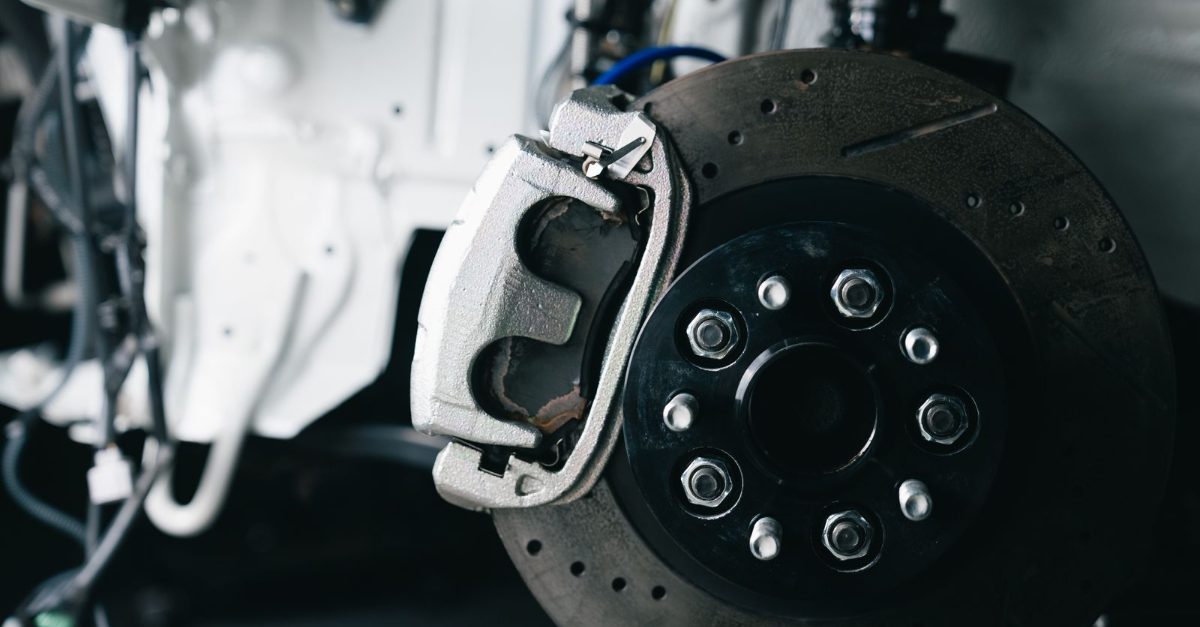
Heavy braking wears brake pads and discs faster. Brakes are a core part of the MOT, and brake problems are among the common reasons cars fail. Check yours between tests: listen for squealing or grinding, and get a garage to look if the car pulls to one side or the pedal feels soft. Our MOT checklist covers the simple checks you can do yourself.
Questions drivers ask
What is the most common bad driving habit?
In insurer Marshmallow's analysis of more than 10 million journeys, braking scored worst: 51.5% of drivers had braking rated Poor or worse, and 19.4% were rated Dangerous, against 2.7% for speeding.
Does harsh braking affect black box insurance?
Telematics policies score braking along with other habits, and these scores can affect your premium or discounts. Each insurer uses its own scoring system.
Is harsh braking dangerous?
Not always: braking hard can be the right response to a hazard. But frequent harsh braking can be a sign of reacting late, for example because of distraction or following too closely.
Are young drivers worse at braking?
In Marshmallow's data, 57.3% of policyholders aged 17 to 24 had braking rated Poor or worse, the highest of any age group.
Sources
- Marshmallow: Harsh braking report
- GOV.UK: The Highway Code, rule 126 (stopping distances)
- GOV.UK: Using your phone while driving: the law
Facts checked against the sources above on 3 November 2026. Spotted something out of date? Tell us.