What do the figures show?
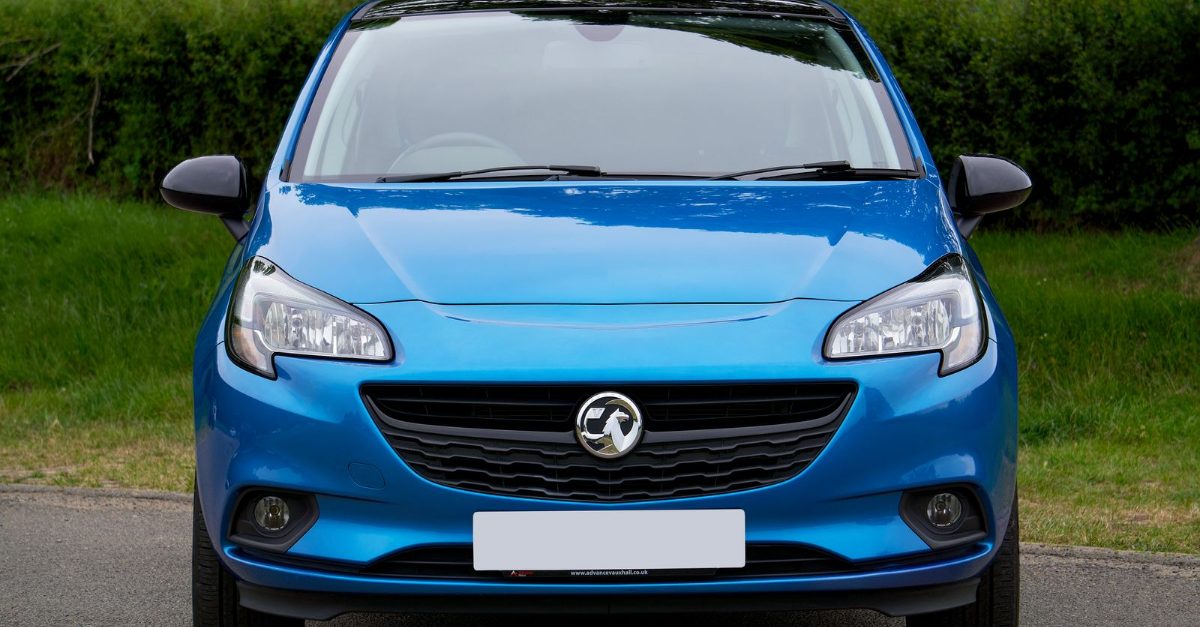
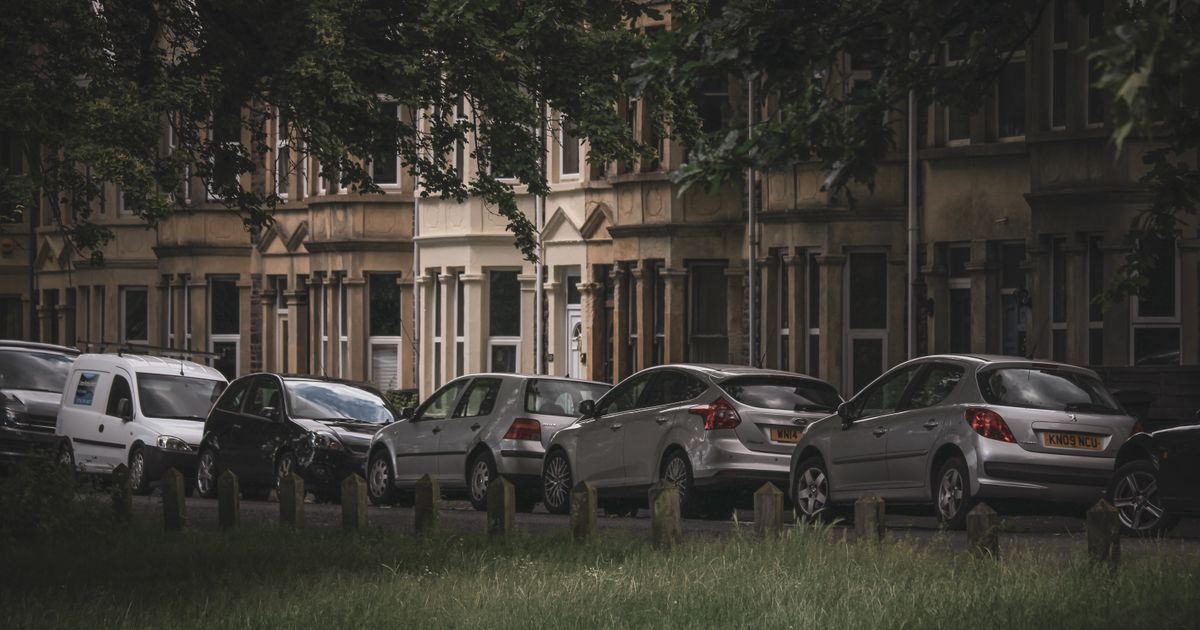
Number plate cloning is when criminals put copies of your registration on another vehicle, so that speeding tickets, parking fines and charges go to you instead of them.
The RAC asked DVLA under the Freedom of Information Act how many drivers had contacted it about fines or penalties for their vehicle that they did not recognise or did not accept responsibility for.
| Year | Contacts to DVLA |
|---|---|
| 2018 | 5,912 |
| 2024 | 10,460 |
| 2025 | 11,402 |
The figure is a record, but it is not a count of confirmed clones. DVLA says it includes cases where an ANPR camera misread a number plate, and some will be simple errors, such as a registration typed in wrongly. The RAC also says the true scale is hard to measure because of "ghost" plates designed to defeat cameras.
The new way to report a cloned plate
On 14 October 2026 the National Police Chiefs' Council launched an online reporting tool for suspected number plate cloning, built with DVLA. It works like this:
- Report to the police force where the vehicle is registered. Go to the force's website, choose the "Report" option and follow the steps for a cloned number plate.
- Upload the details. Add the fines or tickets you have received and any information that shows the vehicle involved is not yours.
- Keep your reference number. Your report is shared with DVLA and logged against your vehicle's record. If more fines arrive, you can add them to the same report.
- Challenge each fine yourself. Neither the police nor DVLA can contest a fine for you. Reply to the council, police force or parking company that issued it, and quote your police reference.
Police may flag your registration as a suspected clone, which helps stop enforcement being wrongly aimed at you. Police estimate cloned plates help facilitate at least £30 million of crime a year.
How to spot a cloned car when buying
Cloning works both ways: a stolen car can be sold with the identity of a legitimate one. Before you buy:
- Run a free MOT history check and compare the make, model, colour and mileage with the car in front of you.
- Check the V5C logbook against the car's VIN and the seller's address. Our V5C logbook guide shows what to look for.
- Work through our used car checklist, and check the plate matches the car's age.
Part of our used-car safety series: read how police recovered 319 stolen vehicles in one week, and why car clocking is being added to the banned practices list.
Questions drivers ask
What is number plate cloning?
Criminals put a copy of your registration on another vehicle so that fines and charges are sent to you.
How do I report a cloned number plate?
Since 14 October 2026, report it online to the police force where your vehicle is registered, using the "Report" option on the force's website. The report is shared with DVLA.
Will the police or DVLA cancel the fines?
No. Neither can contest fines on your behalf. Reply to each organisation that issued a fine and quote your police reference number.
How common is number plate cloning?
11,402 drivers contacted DVLA in 2025 about fines they did not recognise, a record. DVLA says this includes camera misreads as well as clones.
Sources
- RAC: Reports of cloned vehicles rise to record high (16 October 2026)
- NPCC: New tool improves reporting for victims of cloned numberplates (14 October 2026)
Facts checked against the sources above on 24 October 2026. Spotted something out of date? Tell us.