What has been announced?
The Ministry of Housing, Communities and Local Government laid the Private Parking Code of Practice before Parliament on 20 October 2026. It follows more than 4,000 responses to a public consultation, and it will replace the parking industry's own Single Code of Practice.
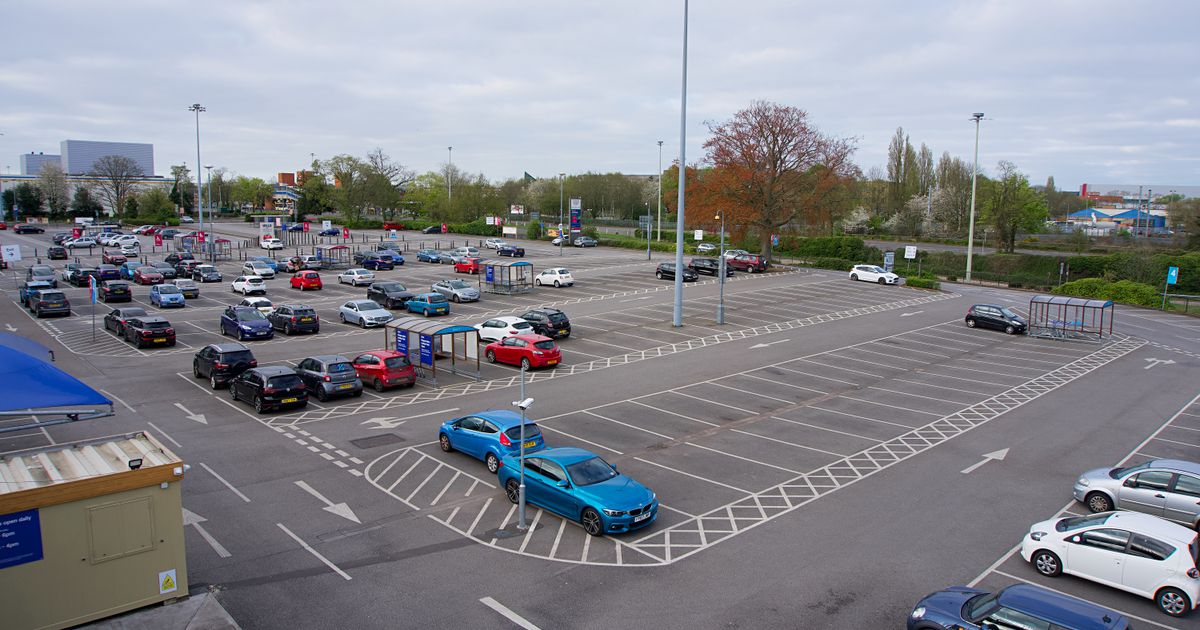
The code covers car parks run by private operators, which issue parking charge notices. It does not change council parking, where penalty charge notices are issued under separate rules.
The main rules for drivers
| Rule | What it means |
|---|---|
| Grace period on arrival | At least 5 minutes to read the signs and decide whether to park |
| Grace period on leaving | At least 10 minutes to leave after your parking time ends |
| Maximum charge | £100, or £60 if paid within a fortnight |
| Honest mistakes and events you cannot control | Charge cancelled on appeal, for example a medical emergency, a breakdown or a broken ticket machine |
| Smaller slip-ups | Maximum of £20 on appeal, for example forgetting to display a permit |
Why DVLA access matters
Private parking firms usually find out who to chase by asking DVLA for the registered keeper of the car. Under the new code, operators that do not comply risk losing that access, which makes it much harder for them to pursue a charge. This is why keeping your V5C details up to date matters: letters go to the registered keeper. Our V5C logbook guide explains how to update them.
What has not changed yet?
Debt recovery fees, which some firms add when a charge is passed to a collection agency, are not changed by this code. The government says it will consult next year on cutting the current £70 cap on these fees or removing them altogether.
When does it start?
The code goes through a 40-day period of parliamentary scrutiny. It then comes into force 21 days after it is issued. The government has said it wants it in place as soon as possible, but no fixed start date has been published. We will update this article when it is.
Questions drivers ask
How long is the grace period in a private car park?
Under the new code, at least 5 minutes to decide whether to park and at least 10 minutes to leave after your paid time ends.
What is the maximum private parking charge?
£100, reduced to £60 if paid within a fortnight. Smaller mistakes such as forgetting to display a permit are capped at £20 on appeal.
Will a private parking charge be cancelled if my car broke down?
Under the new code, charges should be cancelled on appeal for circumstances outside your control, such as a breakdown, a medical emergency or a broken ticket machine.
When does the Private Parking Code of Practice come into force?
After 40 days of parliamentary scrutiny, and then 21 days after it is issued. No fixed date had been published by 22 October 2026.
Does the code apply to council parking tickets?
No. It covers private car parks. Council penalty charge notices follow separate rules.
Sources
- GOV.UK: PM puts the brakes on rip-off parking charges and car scams (19 October 2026)
- UK Parliament: Written statement on the Private Parking Code of Practice (20 October 2026)
Facts checked against the sources above on 22 October 2026. Spotted something out of date? Tell us.