Why now?
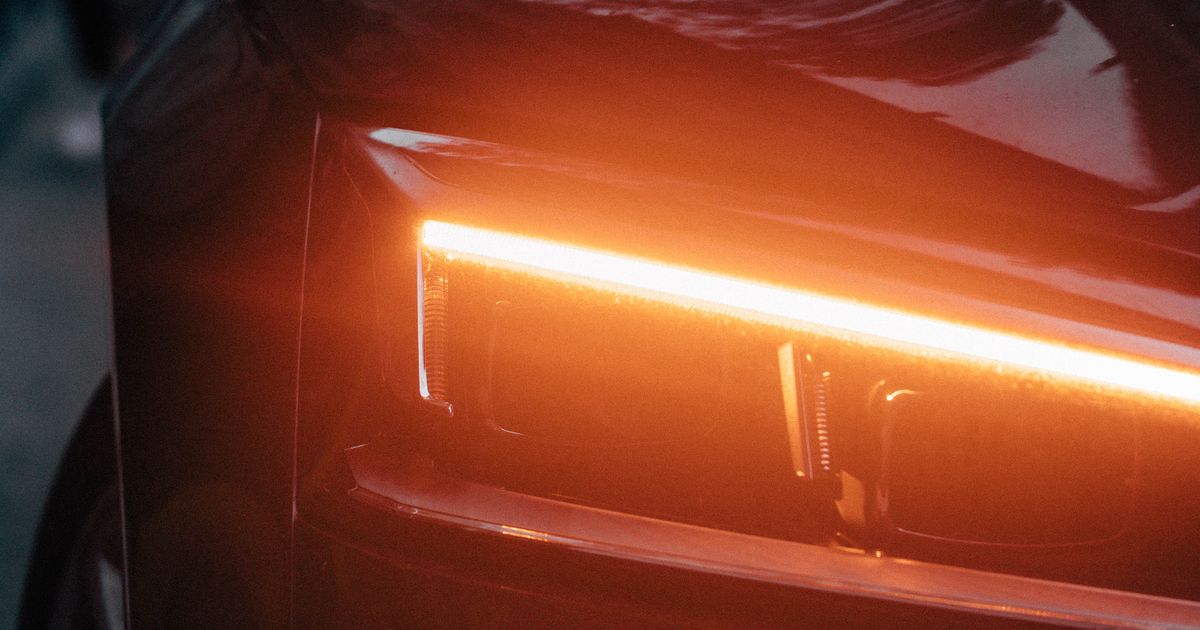
Headlight glare is one of the most common complaints from drivers in the darker months. An RAC survey published on 23 October found 83% of drivers concerned about it. The same day, the Department for Transport (DfT) published practical guidance. It is advice, not a new law, but it repeats the Highway Code rule that you must not use lights in a way that dazzles or causes discomfort to other road users.
7 checks from the DfT guidance
- Dip your lights. Do not pass other vehicles or road users on full beam. If your car has automatic high beam, check it has dipped, and dip manually if not.
- Set your headlight levelling. A heavily loaded car can point its beams higher. Before you set off, adjust the levelling for passengers, luggage or a trailer if your car does not do it automatically. Your handbook shows the right setting.
- Check the beam aim, even on a newer car. Aim is checked at the MOT, usually from three years old, but newer cars can still fall out of adjustment. The DfT suggests having it checked sooner than the first MOT.
- Only fit approved bulbs. Non-approved bulbs or light sources may change the beam pattern, break regulations and invalidate your insurance. Since 14 October, approved LED replacement bulbs can pass the MOT with the right sticker: read the LED bulb rule.
- Keep lights and glass clean. Dirt and road salt on the lenses can upset the beam pattern, and a dirty windscreen makes glare and halos from oncoming lights worse. Replace wiper blades every one to two years.
- Look after your eyes. Wear your prescribed glasses or lenses, keep them clean and have regular eye tests. Night-driving glasses must not replace prescription lenses or be tinted enough to reduce what you can see.
- Use the right lights. Use front and rear fog lights only when visibility is seriously reduced, and do not drive at night on daytime running lights alone.
What to do if you are dazzled
- Do not look directly at oncoming headlights. Look ahead, or briefly towards the left kerb, to keep your position in the lane.
- Slow down, and be ready to stop if it does not feel safe.
- Use your rear-view mirror's dimming setting, and know how to clear a misted windscreen quickly.
- If higher-mounted headlights bother you, raising your seat slightly may help.
Will badly aimed lights fail the MOT?
Yes. A headlamp aimed outside the limits is a major defect, which means an MOT fail. You can see whether a car has had headlamp problems before with our free MOT history check, and get ready for the test with our MOT checklist.
Police are also carrying out roadside eyesight checks until 8 November.
Questions drivers ask
Should I check my headlight aim before the first MOT?
The Department for Transport suggests it. Aim is checked at the MOT, usually from three years old, but newer vehicles can fall out of adjustment.
What is headlight levelling?
A control that lowers the headlight beams when the car is loaded, so they do not dazzle others. Some cars do it automatically; others have a manual dial.
Can non-approved headlight bulbs affect insurance?
Yes. The Department for Transport says non-approved bulbs may change the beam pattern, break regulations and invalidate insurance.
What should I do if I am dazzled by headlights?
Avoid looking directly at the lights, look ahead or briefly towards the left kerb, slow down and be ready to stop.
Sources
- DfT: Minimising headlight glare and its effects (23 October 2026)
- DVSA: MOT inspection manual, section 4 (lamps)
Facts checked against the sources above on 26 October 2026. Spotted something out of date? Tell us.