Update, 2 November 2026: the campaign has six days left and ends on Sunday 8 November. We have added new insurer data on poor eyesight and winter collisions, and an update on the consultation about eye tests for older drivers.
What is happening?
Police forces are running a national road safety campaign on drivers' eyesight and fitness to drive. Cheshire Police calls it Operation Insight, and Essex Police is promoting it as "Is your vision roadworthy?". The campaign runs from 26 October to 8 November 2026.
During the campaign, officers may carry out roadside eyesight checks. Checks can also follow a collision, a moving traffic offence, an investigation into careless or dangerous driving, or a suspicion that a driver's eyesight is below the legal standard. Police say the campaign is aimed at all drivers, not any single age group.
Chief Constable Jo Shiner, the National Police Chiefs' Council lead for roads policing, said: "Personal responsibility is the starting point for safer roads."
What is the legal eyesight standard?
According to GOV.UK, to drive a car or ride a motorcycle you must:
- Read a number plate from 20 metres, about the length of five parked cars, with glasses or contact lenses if you use them to drive.
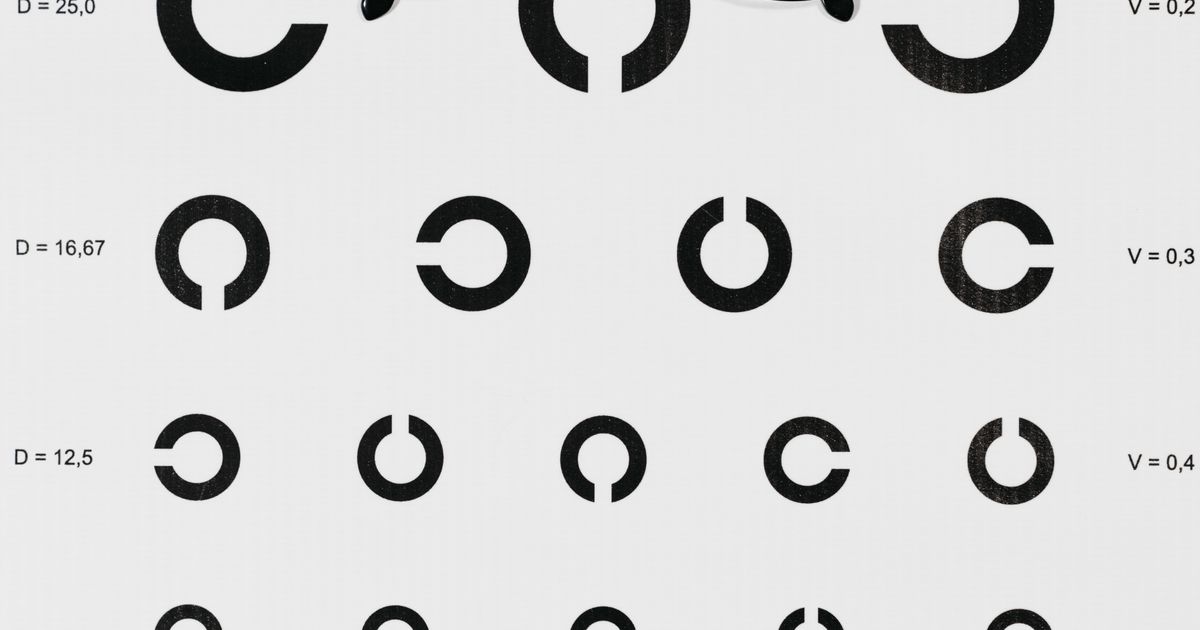
- Have a visual acuity of at least decimal 0.5 (6/12) on the Snellen scale, using both eyes together, or your one eye if you only have sight in one.
- Have an adequate field of vision. An optician can check this.
Lorry and bus drivers must meet stricter standards.
What happens if you fail?
- Driving when your eyesight does not meet the standard can lead to a fine of up to £1,000, 3 penalty points and possible disqualification.
- If an officer believes you are unsafe to drive, they can refer you to DVLA, which can revoke your licence. Since 2013 police have been able to ask DVLA for an urgent revocation, a power often called "Cassie's Law" after a teenager killed by a driver who had failed a roadside eyesight test days earlier.
See how points add up in our penalty points guide.
Why winter matters
Insurer Aviva looked at more than 545,000 collision claims from 2023 to 2025. Poor eyesight was cited in around 15% more claims during the winter months (November to February) than across the year as a whole. Darker evenings, low sun and glare make the eyesight standard harder to meet.
Aviva notes the figures come from the descriptions given in claims, so the real number of collisions linked to poor sight may be higher.
A Censuswide poll for Aviva of 2,202 car owners who drive, carried out in January 2026, found 77% support regular eye tests for drivers, rising to more than 80% of those aged 45 and over. Supporters thought a test about every five years would be right.
Separately, the government ran a consultation from 7 January to 11 May 2026 on mandatory eyesight testing for older drivers, which proposed checks at licence renewal from age 70. It set out options without a preferred one, and no decision has been announced. It is not law, and the rules above have not changed.
Check your own eyesight today
- Try the 20 metre test. In daylight, pace out about 20 metres (five car lengths) from a parked car and read its number plate, wearing your driving glasses if you use them.
- Have an eye test at least every two years, or sooner if you notice changes, such as more trouble with glare at night.
- Always drive with your glasses or lenses if you need them, and keep them clean.
- Tell DVLA about any eyesight condition that affects both eyes, or your remaining eye. Short or long sight and colour blindness do not need reporting.
Struggling with glare in the dark? Read the Department for Transport's new advice on headlight glare.
Questions drivers ask
When are the police eyesight checks?
From Monday 26 October to Sunday 8 November 2026, as part of a national campaign that police forces across the UK are supporting.
How far away must you be able to read a number plate?
20 metres, about five car lengths, with glasses or contact lenses if you need them for driving.
What is the penalty for driving with poor eyesight?
A fine of up to £1,000, 3 penalty points and possible disqualification. Police can also refer a driver to DVLA, which can revoke their licence.
Are drivers over 70 now required to have eye tests?
No. The government consulted from January to May 2026 on mandatory eyesight testing for older drivers, but no decision has been announced. All drivers must still meet the 20 metre number plate standard.
Do I have to tell DVLA about my eyesight?
You must tell DVLA about any eyesight problem affecting both eyes, or your remaining eye if you only have one. Short sight, long sight and colour blindness do not need to be reported.
Sources
- Dee Radio: Police promoting road safety and fitness to drive (Cheshire Police, Operation Insight, 26 October 2026)
- Your Thurrock: Is your vision roadworthy? Police to check drivers' eyesight (Essex Police, 26 October 2026)
- GOV.UK: Driving eyesight rules
- Aviva: Drivers back regular eye tests as Aviva data shows poor sight collisions rise in winter (2 November 2026)
- GOV.UK: Introducing mandatory eyesight testing for older drivers (consultation, closed 11 May 2026)
Facts checked against the sources above on 2 November 2026. Spotted something out of date? Tell us.